Species → Vicuña
Vicuña
Vicugna vicugna
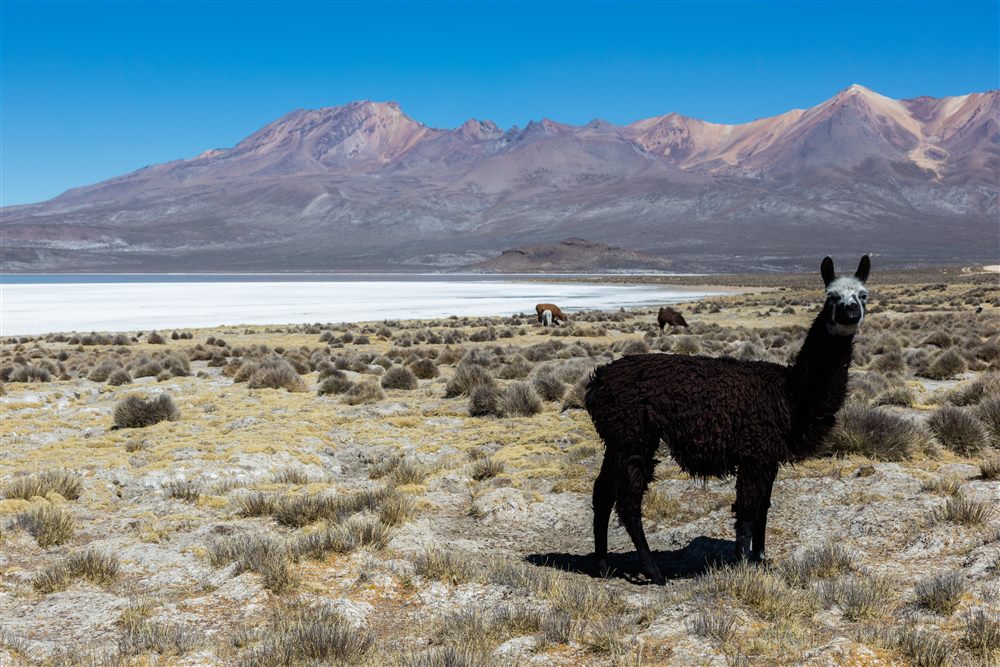
What if it disappeared?
Impact LowWithout vicuñas grazing the dense, fibrous grasses of the high Andean plateaus, grazing pressure on these high-altitude grasslands would drop almost immediately — except where domestic llamas and alpacas, already present in the same region, would take over part of that role.
HypothesisOver ten years, that lighter grazing pressure would let some Andean grasses grow taller and denser than they would with vicuñas around — changing the low, open structure of the high-altitude grassland their grazing maintained, a habitat other species adapted to short cover may depend on.
HypothesisVicuñas really did come close to disappearing across most of their range for centuries, falling to just 5,000 to 6,000 individuals by the mid-1960s after being hunted since the Spanish conquest. Over a century of such reduced grazing pressure, the open grassland structure they maintained would likely have given way to taller, denser vegetation across large stretches of the high plateaus.
HypothesisEven after the species' dramatic rebound since the 1970s, a thousand years of such a reduced presence would likely leave a lasting mark: the structure of the high Andean grasslands would bear the imprint of grazing carried out mostly by domestic herds rather than wild vicuñas, never quite recreating the same balance.
HypothesisDocumentation
-
IUCN Red List — Vicugna vicugna, évaluation 2018
Accessed August 14, 2026
-
Mongabay (septembre 2018) — How a national reserve stopped the extinction of the Peruvian vicuña
Accessed August 14, 2026
-
McAllister, McNeill & Gordon (2009) — Legalizing markets and the consequences for poaching of wildlife species: the vicuña as a case study, Journal of Environmental Management
Accessed August 14, 2026
Last verified: August 16, 2026